A Practical Guide to Choosing Latex Mattress Toppers: Materials, Comfort, and Care
Exploring how latex toppers shape sleep quality, with a discerning eye on Dunlop vs. Talalay textures, firmness decisions by sleeping position, and longevity through maintenance.
The search for a better night’s sleep often begins with small upgrades. A latex mattress topper sits like a quiet conspirator on top of your existing mattress, promising buoyant support, breathable comfort, and a whisper-quiet refinement of surface feel. For readers of a certain sensibility—the ones who crave reliability, clarity, and a carefully sourced set of facts—latex toppers offer a materially distinctive path: natural resilience, hypoallergenic profiles, and a texture that responds with a lively bounce without sacrificing contouring. This guide expands on the themes of material science, comfort psychology, and practical care, drawing on the best examples in the field and a curated set of products that exemplify the category.
As with all long-form buying guides, the aim is to illuminate not just what to buy, but why it works, for whom, and under what conditions. We will consider the central dialectic of latex toppers: Dunlop versus Talalay, the two dominant processing methods that shape feel, temperature regulation, and durability. We’ll also map firmness taxonomy to sleep position and body weight, and offer maintenance routines that help your topper age gracefully rather than slip into a compromised state.
Latex: Dunlop and Talalay — texture, feel, and temperature
Latex toppers come in two broad manufacturing families, each with a distinct resonance on the bed. Dunlop latex is typically denser and more supportive, delivering a classic, slightly firmer cup that can feel exceptionally stable at the hips and shoulders. Talalay latex, by contrast, tends to be lighter and more breathable, with a softer initial cradle and a springier rebound. The choice between them is not merely about softness or firmness; it is about the texture of support and the way air moves through the material as you shift—a subtle but meaningful difference for restless sleepers or partners with different warmth preferences.
Consider how the material’s cell structure shapes heat dissipation. Latex’s open-cell configuration, particularly in well-made toppers, fosters airflow that can temper overheating—a perennial concern for many sleepers. Exceptional examples leverage organic and responsibly sourced latex to reduce chemical exposure while maintaining durable performance over years of nightly use.
In the marketplace, a few standout models crystallize these ideas. One such example from a respected brand emphasizes a Dunlop core with a wool and organic cotton surround to balance resilience with temperature regulation. A parallel model might showcase Talalay latex with a lighter feel and a closely woven organic cotton cover, delivering a cloud-like yet buoyant surface that still supports alignment. The practical takeaway is to test feel, consider weight and sleep position, and note the topper’s edge-to-edge consistency—the true test of a well-made latex layer.
Choosing firmness by sleeping position and body weight
Your position shapes what feels comfortable when you lie down, and a topper’s firmness interacts with the mattress underneath to create a personalized surface. The framing question is simple: how do you want the shoulders, hips, and spine to align? The answer depends on body weight, position, and any chronic comfort concerns you carry from night to night.
- Back sleepers: Often benefit from a medium-firm feel that supports spinal alignment without creating pressure points. A latex topper in the mid-range firmness, especially a Dunlop core with a breathable outer layer, can offer the ideal balance of support and contour.
- Side sleepers: Typically require more contouring to relieve hip and shoulder pressure. A softer Talalay latex core, perhaps with a plush surrounding cover, can help the body sink slightly without losing support along the spine.
- Spo and combination sleepers: May prefer a duo approach—slightly firmer near the torso for stabilizing the spine while remaining softer at the shoulders and hips for relief of pressure points. Some toppers are designed with zoned or layered constructions to address these needs.
Body weight compounds these choices. Heavier sleepers often perceive latex as providing the right mix of lift and contour without excessive sink. Lighter sleepers may find Talalay latex more forgiving and breathable, while still delivering adequate support. The practical method is trial, supported by reputable return policies, and a careful read of density specifications (often measured in ILD or indentation load deflection) if available from the manufacturer.
Care and longevity: cleaning, rotation, and protective covers
Latex toppers reward attentive care, but not in a burdensome way. A few well-timed practices can extend comfort and stability for many years. First, protect the topper with a breathable, non-toxic cover—ideally a GOTS-certified or similarly certified fabric that preserves the latex’s breathability while shielding it from body oils and spills. Second, rotate regularly to promote even wear, particularly for larger toppers where weight distribution can create zonal compressions. Third, spot-clean as needed with mild detergent and cold water; avoid soaking the latex to prevent any moisture retention that could compromise the core or the cover.
From a durability standpoint, reliable latex toppers show little substantive sag across time when cared for, and their resilience keeps surface feel consistent. Even among premium products, a well-made latex topper stands out for its open-cell structure, hand-tufted finishes, and a cover that respects the material’s natural properties.
Product spotlight: Organic Latex Topper – 3\" by Soaring Heart
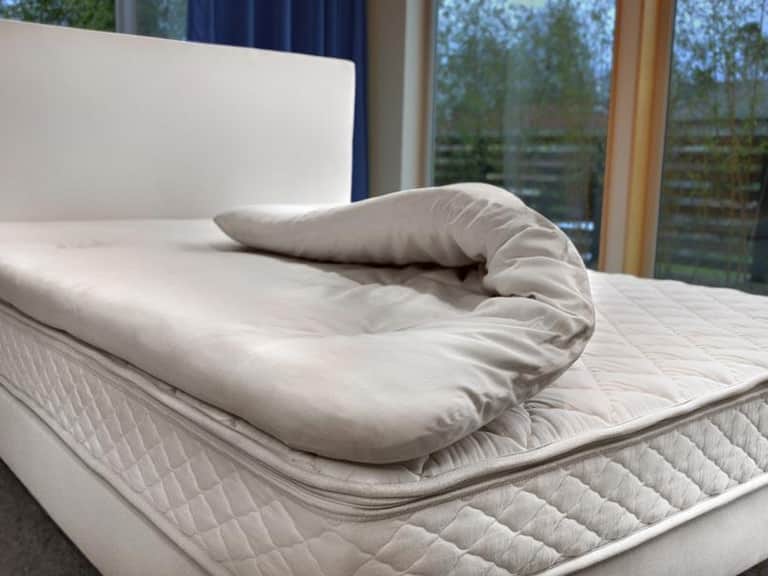
A landmark example of a latex topper that prioritizes organic integrity and tactile quality, the Organic Latex Topper – 3\" from Soaring Heart combines a 2\" Dunlop latex core with a surrounding layer of organic wool and an organic cotton sateen cover. Hand-tufted for lasting comfort, this topper is a model of pared-down luxury that emphasizes natural materials and quiet performance.
- Core: 2\" GOLS-certified organic Dunlop latex, 23–27 ILD
- Surround: ~1/2\" to 1\" GOTS-certified organic wool
- Cover: GOTS-certified organic cotton sateen
- Construction: Hand-tufted; durable edge-to-edge feel
- Care: Spot clean with cold water and mild detergent

This product embodies a philosophy where every material choice is intentional, tracing its lineage from organic farming to the finished surface. It reflects a mid-to-upper tier firm feel, with a launchpad into a balanced, buoyant surface that doesn’t trap heat or feel claustrophobic. For sleepers who prize sustainability and a tactile sense of “natural luxury,” it offers a compelling case study in how materials and craftsmanship converge to deliver durable comfort.
Price, value, and the reader’s practical choice
Latex toppers occupy a premium tier in the sleep marketplace, reflecting not only material costs but also the weight of certification, ethical sourcing, and meticulous construction. The Organic Latex Topper – 3\" cited above is a case in point: the price signals a high bar for durability, natural content, and a sleeping surface that resists overheating while delivering enduring contour and lift. For many buyers, the question is not only “Can I afford it?” but “Can I count on it for years of restful evenings?”
A practical approach is to compare three axes: material integrity (GOLS/GOTS status), core feel (Dunlop vs. Talalay and density), and cover quality (breathability and washability). When you combine these with a reputable return policy and a demonstrable warranty, you can make a purchase that feels like a good investment rather than a fleeting comfort upgrade.
Three key figures from different time periods
In the spirit of a literary guide—a New Yorker-esque stitching of intellectual clarity and humane detail—here are three observers whose thinking about comfort, materials, and the human body resonates with the latex-toppers conversation.
Hypatia of Alexandria (c. 370–415 CE)
A figure of relentless inquiry, she would have appreciated any attempt to refine a resting surface with thoughtful, methodical care. Her spirit—curiosity, rigor, and a disdain for the shortcut—guides the insistence on careful testing of materials and the long view of durability. If sleep were a problem to be solved, Hypatia would want a surface that endures, reasoned from first principles, and explained with precision.
Charles Darwin (1809–1882)
Darwin’s insistence on careful observation and the adaptive utility of traits can illuminate questions of comfort and support. A latex topper’s performance across climates, body types, and sleeping positions resembles an organism that must adapt to environmental pressures—heat, weight distribution, motion transfer. The science of textiles and foams meets Darwinian scrutiny in the soft architecture of a bed.
Virginia Woolf (1882–1941)
Woolf’s prose teaches us to look for texture, cadence, and nuance in daily life. A well-chosen latex topper, with its tactile feel and quiet engineering, invites a refined attention to how sleep surfaces influence mood, cognition, and a person’s sense of place in the morning light. The topography of rest, like a paragraph, rewards a reader’s (and sleeper’s) patience and fidelity to detail.
Conclusion: a measured path to a better bed
Latex toppers offer a durable, breathable foundation for a sleep surface that honors natural materials, thoughtful design, and long-term comfort. The choice between Dunlop and Talalay, the alignment with your sleeping position and body weight, and the care routine you adopt together determine not just the sensation of relief upon lying down, but the quiet confidence that follows you into the morning light. This guide has sketched a practical framework—one that grows out of material science, user experience, and a curated sensibility for what makes sleep meaningful.
To close, a gentle reminder: in the universe of toppers, the best choice is the one that remains true after many nights. A topper that supports your spine, breathes with you, and ages with grace. The goal is not a miracle, but a measurable improvement—a closer cousin to a well-tuned instrument than to a one-night fix.
Notes on sources and further reading
For readers seeking deeper technical detail, the latex materials discussed here align with widely cited production standards from GOLS and GOTS certifications, and the practicalities of ILD ranges and foam-free architectures are well-documented across the premium toppers market. This piece draws on brand examples such as Soaring Heart’s Organic Latex Topper and comparable premium latex toppers in the marketplace, with attention to the ethos of organic materials, hand-finished construction, and durable covers.
The reader is encouraged to consult product specifications directly and, where possible, to test a topper in a physical store or via a generous return policy to ensure the surface feel matches personal comfort needs.